Main areas of scientific activity
Three scientific topics of the NIAT CBRN Security Agency for 2025-2029:
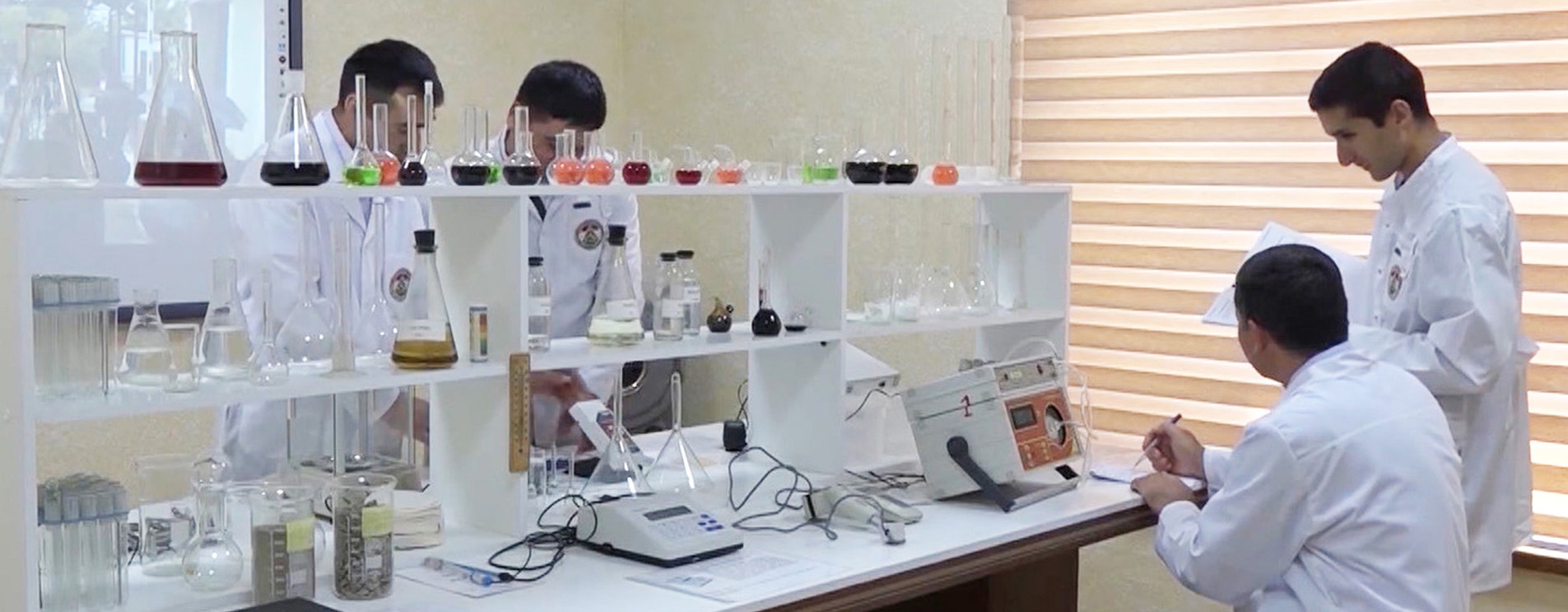
Topic 1: Features of the extraction of uranium concentrate and other valuable components from ores and wastes of uranium production in Tajikistan, No. 0125TJ1658, (02.00.04 – physical chemistry)
Brief information: The use of mineral resources, environmental problems and new technologies determine the need to develop non-traditional sources of raw materials. Researchers are studying technologies for separating uranium concentrates and valuable components from ores and waste. Composite materials, such as epoxy resins, Portland cement and sulfur concrete, are used for radiation protection. The development of new materials with robust properties against aggressive environments and radiation is an important problem. Promising materials, such as composites for uranium waste disposal sites and radiation-shielding panels, are used in medicine, construction and industry.
Innovation: Development of a technological scheme for the extraction of uranium concentrate from ores and wastes of Tajikistan. The scientific topic will be completed in 2024 and will continue for 2025-2029 to achieve fundamental and practical results for the industrial and agricultural development of Tajikistan.
Topic 2: Radioecological assessment and radiation monitoring in ecosystems on the example of Tajikistan, No. 0125TJ1657, (03.00.16 – ecology)
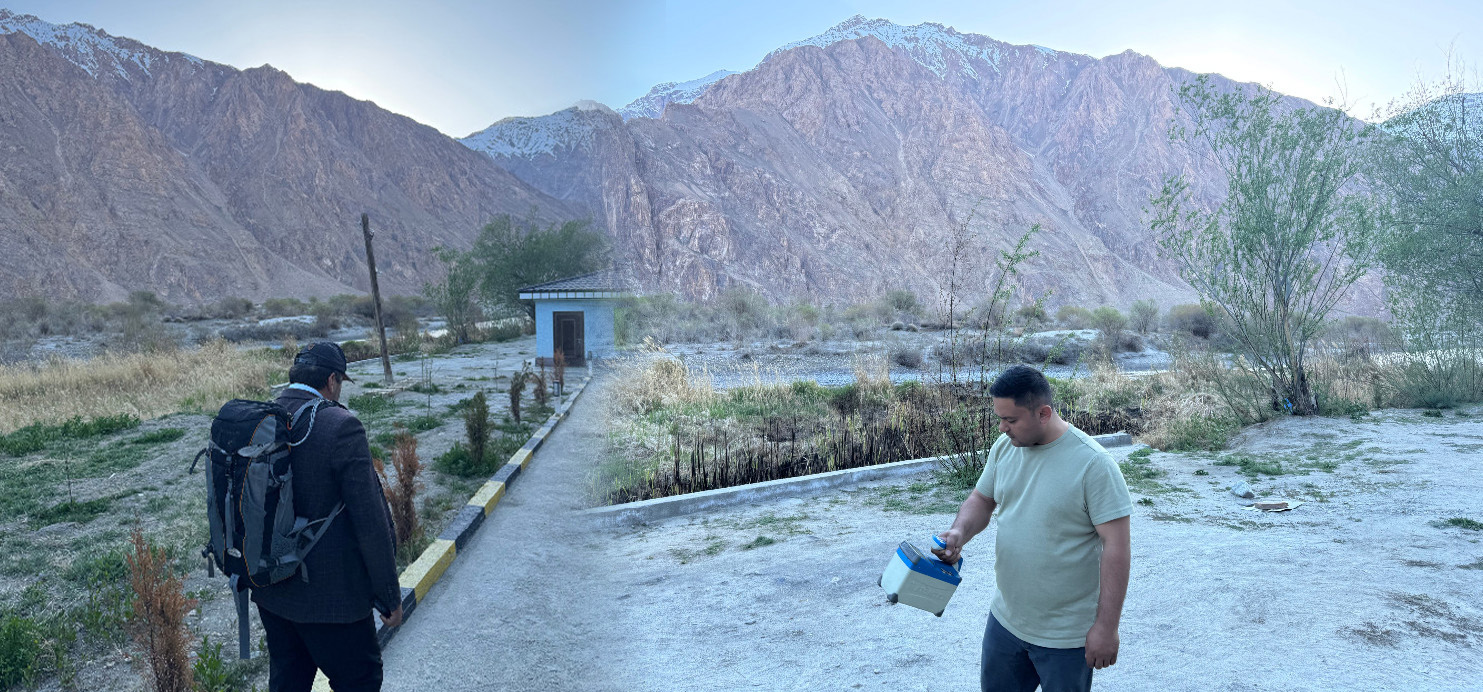
Brief information: In Tajikistan, there are many waste sites left over from the operation of uranium plants in the 20th century, which need to be restored. With the support of international donors, an assessment of the environmental impact of waste sites and a feasibility study of restoration works are being carried out. AHRYA AMT conducts radiation monitoring, develops regulatory documents and permits. Previous projects (2005-2024) carried out radiation maps of the regions and monitoring of the PZRO in Fayzobad. The new project includes radiation monitoring, radon, study of hazardous objects, development of documents, measurement of radionuclides and control of doses of employees. Radioecological maps are important for construction and ministries.
Innovation: "Radioecological assessment and radiation monitoring of ecosystems in the case of Tajikistan" are important and necessary in the development of regulatory documents for radiation monitoring of uranium waste sites and the creation of radioecological maps taking into account natural radiation at construction sites.
Topic 3: Biohazard risk assessment and monitoring of transboundary zoonotic diseases in Tajikistan, No. 0125TJ1656, (05.26.06 – Chemical, biological and bacteriological safety)
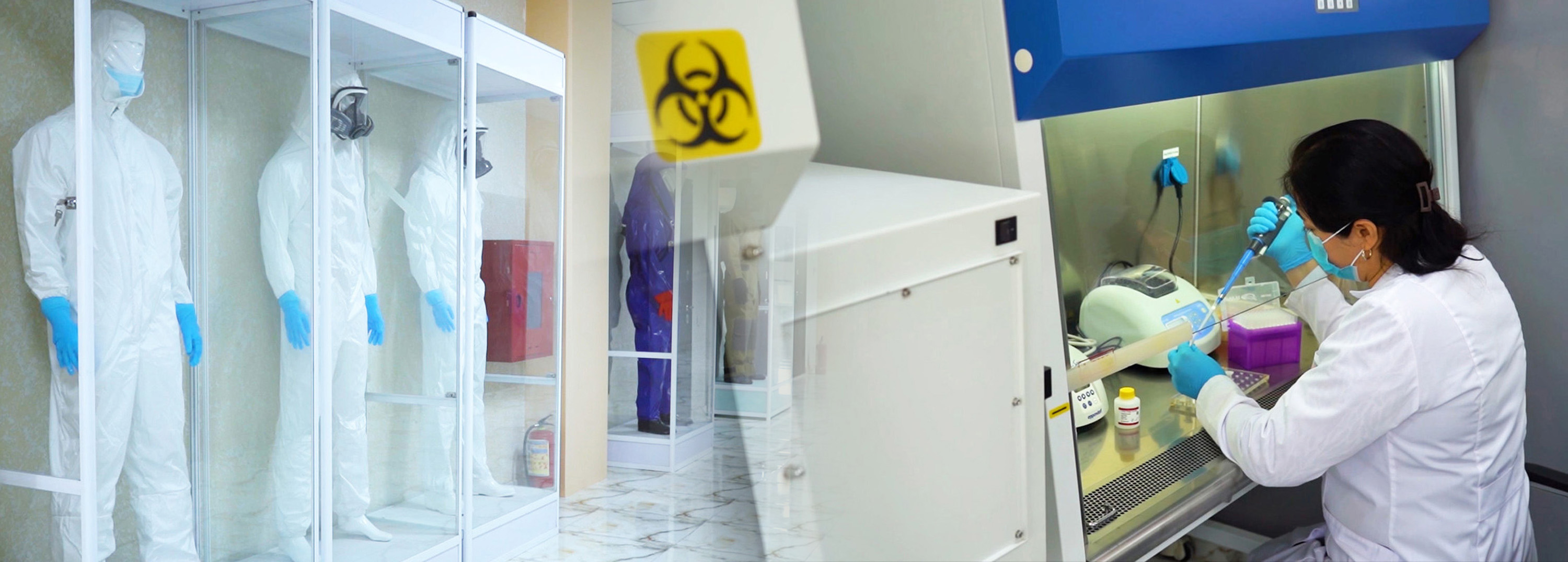
Brief information: Transboundary zoonotic diseases (TZDs) are spread by livestock, wildlife, and their products, and 60% of human infectious diseases are zoonotic, and 75% of new diseases originate from zoonoses. Monitoring and combating TZDs in Tajikistan is inadequate. Close contact with wildlife increases the risk of TZD transmission. The COVID-19 pandemic has highlighted the need to combat biological threats. The project is in line with the National Development Strategy until 2030 and the Sustainable Development Goals, and aims to address sanitary protection, border control, and product safety.
Innovation: Using GIS to visualize the spread of TB and molecular genetic analysis with modern equipment to identify disease factors.